
full length illuminated mirror
The Importance of Plastic Rebar Safety Caps with Steel Reinforcement In the construction industry, safety is paramount. One of the often-overlooked aspects of construction safety is the proper management of exposed rebar. Reinforcing bars, or rebar, are critical components that provide tensile strength to concrete structures. However, if left exposed, they can pose severe hazards to workers and bystanders. Traditional safety caps, often made from various materials, have been used to mitigate these risks. Recently, the introduction of plastic rebar safety caps reinforced with steel has emerged as a promising solution. Understanding Rebar Hazards Rebar is typically used to strengthen concrete in various structures, including bridges, buildings, and roads. When rebar is left protruding from a concrete slab or wall, it becomes a dangerous liability. Accidental contact with exposed rebar can lead to severe injuries, such as lacerations or impalement. In the hustle and bustle of a construction site, workers may inadvertently stumble upon these hazards, making safety caps an essential component of site safety management. The Innovation Behind Plastic Rebar Safety Caps Plastic safety caps are designed to cover the ends of exposed rebar, preventing accidental injuries. What sets plastic rebar safety caps with steel reinforcement apart is their enhanced durability and protective capability. The plastic part serves to cover the sharp edges of the rebar, while the steel reinforcement provides added strength, making it less likely to be damaged by environmental factors or wear and tear. The combination of plastic and steel results in a lightweight yet robust safety cap that effectively absorbs impacts and minimizes the risk of penetration injuries. The plastic exterior is also UV-resistant, ensuring it retains its effectiveness under harsh sunlight, an important feature given the outdoor nature of most construction projects. Advantages of Using Plastic Rebar Safety Caps with Steel Reinforcement plastic rebar safety cap with steel 1. Safety The primary advantage is enhanced worker safety. With the added steel reinforcement, these caps can withstand significant impact forces, reducing the likelihood of injury. 2. Durability Traditional plastic caps can often chip or break under pressure. The inclusion of steel makes these caps far more resilient, which reduces the need for frequent replacements and thus lowers overall costs. 3. Visibility Many manufacturers incorporate bright colors into their plastic safety caps, enhancing visibility on a construction site. This increased visibility serves as a reminder for workers to stay vigilant around rebar areas. 4. Easy Installation These caps are designed for quick and easy installation, allowing workers to secure exposed rebar effectively without wasting significant time or requiring extensive training. 5. Cost-Effectiveness Although they may have a higher initial cost than standard plastic caps, the durability and extended lifespan of plastic rebar safety caps with steel reinforcement make them a cost-effective choice in the long run. Conclusion As the construction industry continues to evolve, so too must the safety measures employed on-site. Plastic rebar safety caps with steel reinforcement represent an innovative solution to a longstanding issue in construction safety. By effectively mitigating the hazards associated with exposed rebar, these caps not only protect workers but also promote a culture of safety within the industry. Adopting such advancements in safety equipment is not just a best practice; it is a responsibility that every construction firm must prioritize to safeguard the well-being of its workforce and the general public. Investing in safety today ensures a safer tomorrow for all involved in the construction process.
about
full length illuminated mirror
The Importance of Choosing the Right Material for Welding Tables Welding is a precision skill that requires the right tools to produce quality work. Among these tools, the welding table is crucial as it serves as the foundation for many welding projects. When considering the construction of welding tables, one cannot overlook the importance of the material used. The right welding table should be robust, stable, and capable of withstanding the rigors of welding without compromising safety or quality. Material Properties of Welding Tables Welding tables are typically made from a variety of materials, with steel and aluminum being the most common choices. Each material has unique properties that cater to different welding needs. Steel, particularly mild steel, is a popular choice because of its affordable cost and effectiveness in a wide range of applications. Steel tables are strong and durable, providing a solid surface that can withstand high temperatures and heavy loads. Additionally, steel is relatively easy to weld, making repairs or modifications simple. On the other hand, aluminum tables are lighter, which can be an advantage in certain mobile or temporary welding setups. Aluminum also resists corrosion, which is beneficial in work environments that may involve moisture or chemicals. However, it is worth noting that aluminum welding requires special skills and techniques, as it behaves differently than steel during the welding process. Thickness and Design Considerations The thickness of the table material plays a significant role in its performance. A welding table should be thick enough to withstand the heat and weight of the workpieces without warping. Common thicknesses range from 1/4 inch to 1/2 inch for steel tables. Tables that are too thin may bend or deform under stress, which can lead to inaccurate welding and poor-quality joints. The design of the welding table itself is also vital. Many professionals opt for tables with built-in fixtures or slots that allow for easy clamping and positioning of workpieces. These features enhance efficiency and precision during the welding process. Some advanced tables even come equipped with adjustability to accommodate various project needs. welding tables should be made of Surface Treatment and Maintenance The surface treatment of a welding table is an often-overlooked aspect that can enhance its longevity and performance. A smooth surface finish reduces the likelihood of contaminants affecting the weld quality. Additionally, treatment options such as powder coating can provide extra protection against rust and wear. Maintaining a welding table is also crucial for its performance. Regular cleaning to remove slag, spatter, and other debris ensures that the surface remains conducive for precise welds. Neglecting maintenance can result in decreased accuracy and increased wear on tools and workpieces. Safety Considerations Safety is paramount in any welding operation. The material choice for welding tables must not only withstand high temperatures but should also be resistant to certain hazards. Steel tables, for instance, should be sourced from reputable suppliers to ensure that they do not contain harmful alloys that may release toxic fumes when heated. Furthermore, a properly grounded welding table minimizes the risk of electric shock. Adequate grounding helps disperse static electricity and enhances safety during the welding process. Operators should be aware of the grounding requirements and ensure their tables meet all safety standards. Conclusion In essence, choosing the right material for welding tables is a critical decision that impacts the quality of work produced. Steel and aluminum options each offer unique advantages, depending on the specific needs of a welding project. With the right thickness, thoughtful design, and proper maintenance, welding tables can significantly enhance the efficiency and safety of welding operations. Ultimately, investing in a high-quality welding table will contribute to achieving superior welding results and prolonging the lifespan of equipment and materials used in the process.
-

High quality industrial productsagement

High quality industrial products
View Details -

Meet the diverse needs of customers

Meet the diverse needs of customers
View Details -

Strict quality control

Strict quality control
View Details -

Top raw materials

Top raw materials
View Details -

Trusted supplier

Trusted supplier
View Details
Our application

news and information
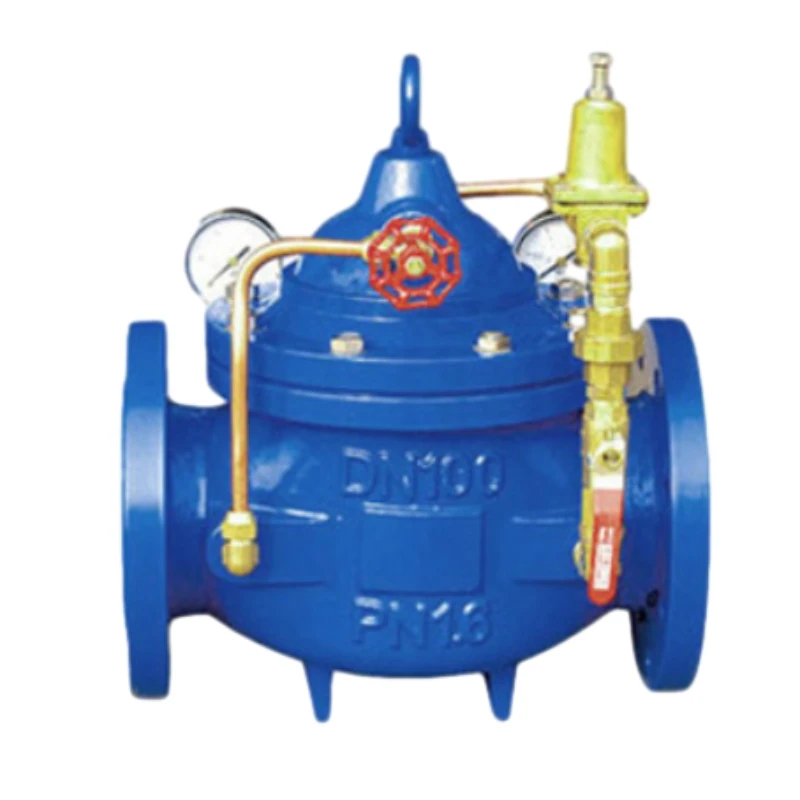
various types of control valves
Various Types of Control Valves Control valves are critical components in a range of engineering app
Venta horizontal
Título La Venta de Niveles Una Oportunidad Única En el mundo actual, donde la competencia es feroz y

Water Hose Shutoff Valve for Easy Control and Efficient Watering Solutions
The Importance of a Water Hose Shut-Off Valve A Garden Essential In the world of gardening and outdo
 English